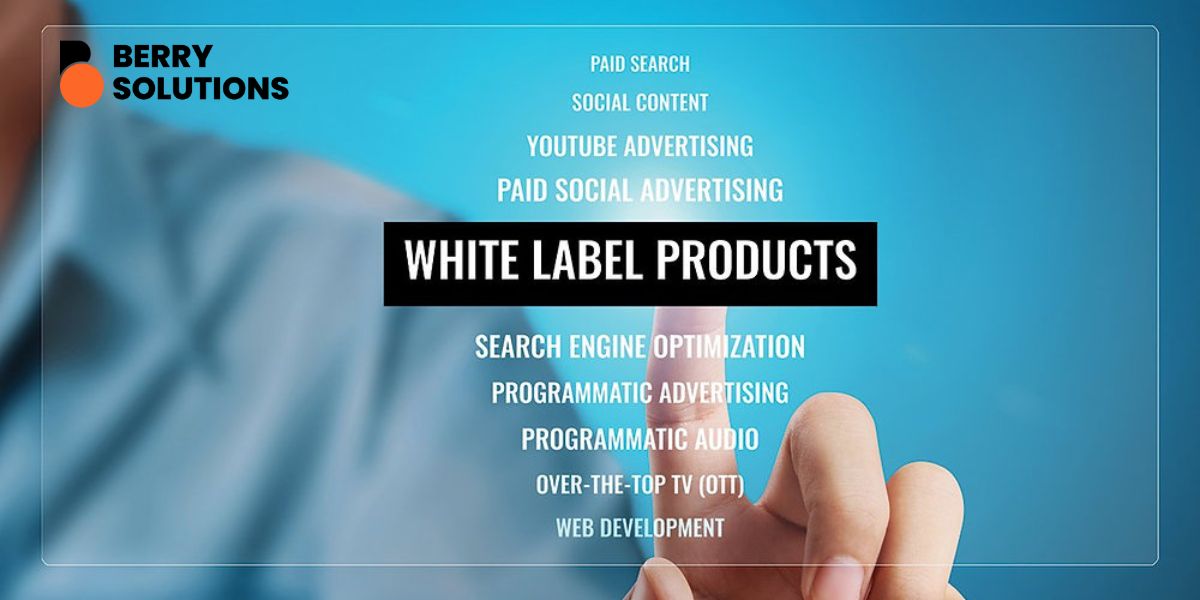
In today’s fast-changing digital world, businesses are looking for smarter ways to scale without spending too much time or money. This is where white label solutions make a huge difference. At its core, white label software or services are created by one company and rebranded by another as their own.
This simple yet powerful white label business model allows agencies to focus on growth while experts handle the hard work behind the scenes. From white label SEO services to full white label digital marketing, the opportunities are endless. For U.S. companies, it’s a proven way to expand quickly, reduce costs, and stay competitive.
What is White Labeling?
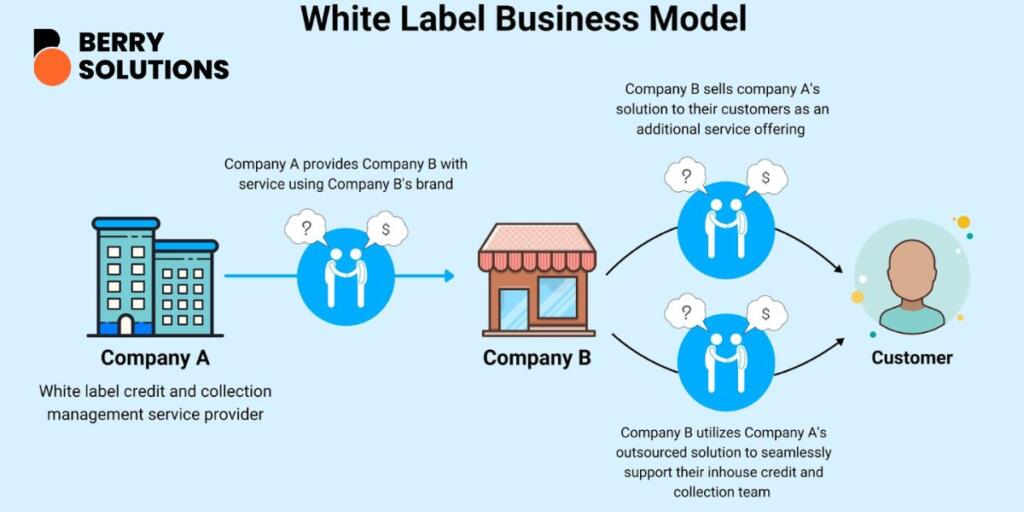
The first step is understanding what white labeling is. At its core, the white labeling definition is when one company creates a product or service and another sells it under their own brand. It’s similar to buying a cake from a bakery but packaging it with your own shop’s name.
The process itself is simple. A provider or supplier develops the actual work—whether it’s an app, a website, or even SEO services. You then deliver it as your own, with clients never knowing who built it. This setup is seamless, efficient, and forms the foundation of the white label business model.
Why Choose a White Label Solution?
The big question is, why outsource at all when you could just build everything in-house? The answer comes down to flexibility. By partnering with external development teams, you cut hiring expenses, skip lengthy training, and tap into seasoned professionals in London right away.
There’s also the advantage of speed. Instead of waiting months to roll out a new service, you can launch in just a few weeks. Many U.S. businesses share that this approach helps them stay ahead of competitors. It ensures you’re always ready to meet demand, even when it grows suddenly.
How White Labeling Works?
Many people want a clear process explained when it comes to outsourcing. Imagine this: a client in the USA asks your agency to build a new website. You accept the project and pass it on to a specialized provider in London. They design the site, return it to you, and you deliver it under your own branding.
It works much like ghostwriting—the author stays invisible, but the finished work carries your name. The advantage here is that, with strong project management and support, your client sees you as the creator. The meaning for the client is simple—they trust your agency while the back-end work is handled by skilled developers.
Key Features of White Label Solutions
Not every outsourcing option is created equal. The best providers in London focus on customization, allowing you to keep full control of branding and identity. This ensures the service feels completely your own rather than something generic. Another major advantage is quality assurance, since London developers follow strict coding standards and flexible pricing models that fit different budgets.
There’s also a long-term perspective. Many SaaS partners in London provide ongoing updates, system monitoring, and dedicated support. This makes it easier for U.S. businesses to operate smoothly without worrying about bugs or downtime. In the end, it creates a real competitive edge that helps companies grow with confidence.
Explore more through our services to see how we can help your business grow.
Types of White Label Services
London has become a global hub for outsourcing because of the wide variety of solutions available. From software development and content creation to digital marketing support, U.S. agencies can deliver a complete range of services without needing to build large in-house teams. This flexibility allows small and mid-sized firms to compete with much larger competitors.
Beyond the basics, the city also offers eCommerce platforms, SEO support, and turnkey agency setups that fit seamlessly into your existing brand. Real-world examples include mobile apps, websites, and social media campaigns—designed by skilled developers in London but delivered to your clients under your own name. By partnering with the right provider, you gain the freedom to scale quickly while keeping costs predictable and quality high.
Benefits of White Labeling for Businesses
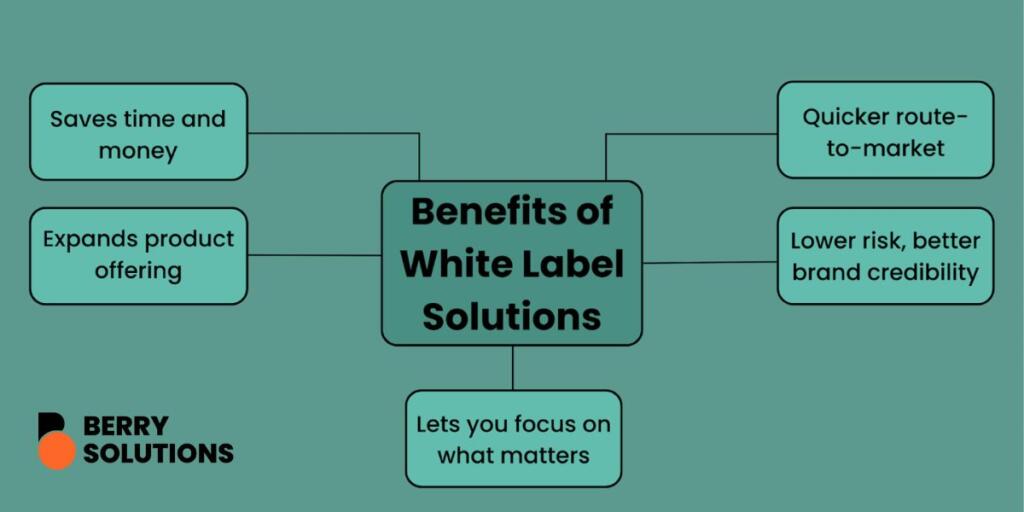
There are countless benefits of white labeling for U.S. companies. The most obvious is cost. You reduce costs with white label because you skip recruitment, payroll, and training. Instead, you only pay for the service when you need it.
Another benefit is growth. You can increase revenue with white label services because you instantly add more offers for clients. At the same time, you improve brand recognition with white labeling, since everything looks like it comes directly from your agency. This is the true white label advantage. Ready to scale smarter? Visit Berry Solutions and discover how our experts can power your growth today.
Challenges in White Labeling (and How to Overcome Them)
No business model is entirely without challenges, and outsourcing is no exception. One of the first obstacles many U.S. companies face is the difference in time zones when working with teams in London. While this can initially seem like a barrier, modern collaboration tools such as Slack, Asana, and Zoom make it easier to stay connected in real time. In fact, some agencies even turn the time difference into an advantage, creating a 24/7 work cycle where progress continues after U.S. teams log off for the day.
Another challenge revolves around building trust. Business owners often worry that handing projects to an external team might lead to miscommunication or a drop in quality. The reality is that strong contracts, scheduled progress updates, and professional project management frameworks significantly reduce these risks. Over time, many U.S. companies discover that these small hurdles are outweighed by the benefits—faster project delivery, access to specialized skills, and the ability to scale services without heavy overheads. In the long run, outsourcing opens the door to new growth opportunities and provides a strategic advantage in competitive industries.
White Label vs. Private Label – What’s the Difference?
A big debate is private label vs white label. The two are not the same. These are clear when you look closer. In private label, you sell physical goods made by a third party but branded as your own. In white label, it’s mostly digital products and services. To understand more, you can read this detailed Shopify guide on private label vs white label.
Think of white label eCommerce stores or white label SaaS platforms. These are services, not goods. The flexibility here is unmatched. That’s why the U.S. market sees white labeling in software & marketing as more profitable and scalable than private label models. You can also explore our portfolio to see real-world examples of how these solutions deliver results.
Resources & Support
Another strong reason to choose London is the ecosystem. The city is filled with talented developers, reliable service providers, and supportive business networks that make collaboration much easier. Many agencies in London even go a step further by offering free training programs, workshops, or access to dedicated account managers. This means U.S. companies don’t just get a finished product—they also receive long-term guidance, ongoing updates, and professional management support. Such an environment builds confidence, reduces risk, and helps businesses scale faster with expert help at every stage.
This means U.S. companies get more than just a product. They also get white labelling support, ongoing updates, and white label management help. The advantages here are clear—you always have experts guiding you through the process. Explore our custom software development services to see how tailored solutions can support your business growth.
Comparison Table: White Label vs Private Label
| Feature | White Labeling | Private Labeling |
| Main Focus | Digital services & software | Physical products |
| Flexibility | Very high, scalable services | Limited, tied to goods |
| Best For | Agencies, SaaS, marketing firms | Retail & manufacturing |
| Profit Potential | High, low costs + recurring revenue | Medium, depends on sales volume |
The Final Word:
At the end of the day, working with experienced developers in London is not just smart—it’s a strategic move. U.S. companies cut costs, expand their range of services, and gain a strong edge over competitors by using this approach.
The concept is simple yet effective. You get professional expertise without carrying the weight of extra overhead. If rapid growth is your goal, this model gives you the momentum to scale faster. As one U.S. agency owner put it, “It feels like having a silent partner who always delivers.” That’s the true advantage.
FAQs:
1: IS WHITE LABELING ILLEGAL?
No, this practice is completely legal when both parties work under clear contracts. Intellectual property rights must always be respected. As long as agreements are transparent, companies can safely use this model.
2: WHAT IS WHITE LABEL VS BLACK LABEL?
The first refers to rebranding ready-made products or services for resale. Black label, on the other hand, often points to exclusive or luxury versions. The key difference lies in accessibility versus exclusivity.
3: IS WHITE LABEL PROFITABLE?
Yes, it is often very profitable because companies save on hiring and training costs. It also allows them to expand offerings instantly. This approach creates new revenue streams with minimal investment.
4: HOW DO I FIND WHITE LABEL SUPPLIERS?
Reliable providers can be found through online industry directories and trade platforms. Many businesses also connect with agencies at trade shows. Checking reviews and case studies ensures credibility before partnering.
5: WHICH IS BETTER, PRIVATE LABEL OR WHITE LABEL?
The answer depends on the type of business you run. Private label works best for physical products where branding matters. The other option suits digital services and scalable growth opportunities.
6: WHAT IS ANOTHER NAME FOR WHITE LABEL?
Some people call it rebranding, while others use the term private branding. Both suggest taking an existing product or service and selling it as your own. The idea focuses on identity, not creation.